AI Fit Check for Fashion Retail
See how much of your product data AI assistants can use.
This data also powers your on-site personalisation, paid ads and how you interpret customer behaviour, so getting it right pays off everywhere.
Add your product page URL or your product feed URL to get started. One scan across your product feed, product pages and the open web.

Overall
product data fit
Scale
Fair
Trusted by fashion brands






Search is shifting from keywords to intent
Shoppers now ask in natural language, and what they get back is built from your product data rather than your page copy. AI is just the newest thing reading it.
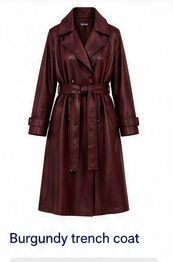
Burgundy trench coat
- AI DiscoveryShopping assistants & search engines
- On-site navigationFilters, search and recommendations
- Paid advertisingThe data your shopping ads bid on
- Customer understandingWhat each click tells you
Your fit check looks at three of the places that do, and two of them are yours to fix:
Your product feed: how it reads to AI shopping assistants and search engines - the same data your shopping ads bid on.
Your product pages: the on-page signals that verify your feed, and the same detail your on-site navigation and recommendations are built on.
What your product data decides
Shoppers now ask in natural language, and the answer gets built from structured product data rather than page copy.
Google is blunt about it: complete, well-structured product data is not optional.
This data decides your on-site personalisation, what paid can bid on, and which customers you can put a garment in front of at full price.
Labelling gets a product found.
Understanding the relationships is what gets it chosen.
Colour
Works with
Occasion

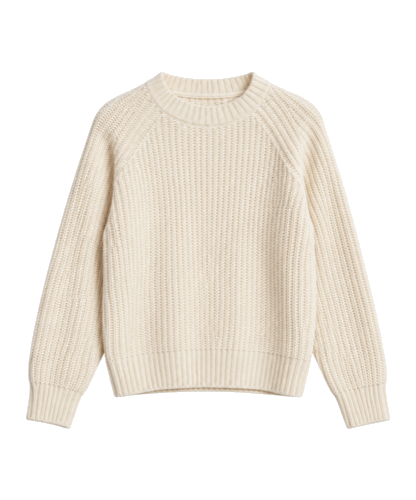
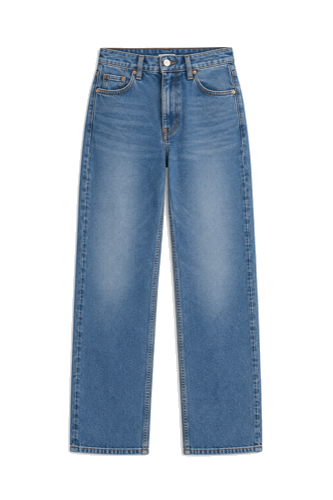
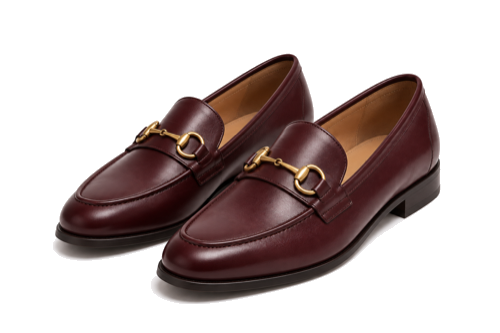
Labelling gets a product found.
Getting it chosen depends on how one attribute relates to another, and how one product relates to the next.
Burgundy can also mean wine or maroon. A trench works with jeans, a knit and loafers for an autumn city break.
People built those relationships, not a model.
What you get from
AI Fit Check
Your product data fit score
Scale: Needs work · Fair · Strong
AI bot and discovery access
How your feed reads to AI shopping assistants and search engines.
Scan quality assurance
Both are accurate, correctly scoped and free of overclaim.
Prioritised fixes
Tagged by priority, effort and what fixing it unlocks.
One product truth,
three channels.
Unlock your complete AI Fit Check report
Your results
Overall
product data fit
Scale
Fair